The allure of the casino environment
The atmosphere of a casino is meticulously crafted to engage and enthrall visitors. From the dazzling array of lights to the vibrant sounds of machines and the palpable buzz of excitement, the sensory experience is designed to be irresistible. Casinos utilize a psychological strategy known as operant conditioning, where the environment reinforces behaviors that lead to gambling. For example, the sound of coins clinking or machines emitting celebratory tones after a win serves as positive reinforcement, encouraging players to return for additional chances at success, especially at a fast withdrawal online casino that offers quick payouts. This auditory and visual stimulation creates an immersive environment that is hard to resist, making it an integral part of the gambling experience.
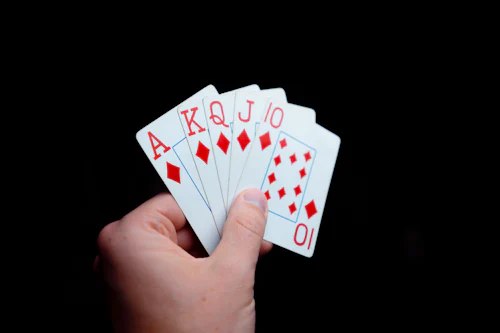
Moreover, the architectural design of casinos significantly influences the psychological experience of visitors. Many establishments employ a labyrinthine layout that lacks windows and clocks, intentionally disorienting players and making it easy to lose track of time. This deliberate design choice can lead individuals to remain longer than they initially intended, further immersing them in a world where the thrill of gambling overshadows other responsibilities. The combination of sights, sounds, and spatial design creates an exhilarating environment that can evoke a euphoric state, making it challenging for players to resist the urge to gamble. This sensory overload is a crucial component in keeping players engaged and returning for more.
The social aspect of gambling adds another compelling layer to its allure. Casinos often serve as social hubs where gamblers find camaraderie, whether through shared experiences at a gaming table or casual interactions with staff and fellow patrons. This social dynamic enhances the excitement of gambling, making it even more appealing. The notion of winning together or collectively sharing the disappointment of losses fosters a communal bond that many players cherish, further fueling their desire to engage in gambling activities. The environment encourages social interaction, which can amplify the thrill and emotional engagement, making the gambling experience more enjoyable and memorable.
The psychology of risk and reward
At the core of gambling lies the fundamental human attraction to risk and reward. The thrill of potentially winning a substantial amount can trigger the release of dopamine in the brain, a neurotransmitter closely linked to pleasure and reward. This chemical reaction cultivates an addictive cycle, as individuals continuously seek the high associated with gambling, often ignoring the significant risks involved. Understanding this psychological response is crucial for both gamblers and those concerned about their gambling habits, as it highlights the balance between enjoyment and potential harm. This dopamine-driven pleasure can create a strong compulsion to gamble, even when faced with adverse consequences.
The concept of loss aversion plays a pivotal role in the psychology of gambling. Research has shown that individuals tend to experience the pain of a loss more acutely than the pleasure derived from an equivalent gain. This phenomenon can lead players to chase losses, repeatedly engaging in gambling in an attempt to recover what they have lost. Such behavior can develop into a detrimental pattern where the fear of losing money overshadows rational decision-making, resulting in further losses and, in some cases, financial devastation. This emotional response can trap players in a cycle of risk-taking that is difficult to escape.
Furthermore, the phenomenon known as the “near miss” can act as a powerful psychological trigger. When gamblers come close to winning but ultimately fall short, it often ignites a desire to continue playing. This psychological trick convinces players that victory is just around the corner, even when statistical probabilities may suggest otherwise. Casinos exploit the near miss to encourage repeat play, as it cultivates hope and the belief that success is attainable, despite the odds being stacked against them. This manipulation of perception significantly contributes to continued gambling behavior, reinforcing the cycle of risk and reward that keeps players engaged.
Emotional factors and gambling behavior
Emotions significantly influence gambling behavior, often driving individuals to pursue games of chance during both high and low points in their lives. For example, someone experiencing stress or sadness may turn to gambling as a means of escape, believing that a win could alleviate their troubles. This emotional coping mechanism can lead to an increased risk of developing problematic gambling behavior, as the temporary relief may be followed by regret or additional stress stemming from losses. The interplay between emotion and gambling can create a vicious cycle that is difficult to break, emphasizing the need for emotional awareness among gamblers.
Conversely, elevated emotions associated with celebrations or victories can also lead to impulsive gambling decisions. Individuals may feel invincible after a success, prompting them to wager more than they usually would. This emotional rollercoaster can cloud rational judgment, resulting in decisions driven by momentary feelings rather than careful consideration of potential consequences. The thrill of a win can overshadow the reality of the risks involved, leading to uncontrolled gambling behavior. Recognizing these emotional triggers is essential for understanding and managing gambling behavior effectively.
Additionally, peer pressure can amplify emotional responses in social gambling settings. Being surrounded by enthusiastic friends or fellow players can heighten excitement and create a desire to keep up with others, often resulting in higher stakes than originally intended. This phenomenon reveals how social dynamics and emotions intertwine, significantly influencing gambling behavior. The desire to fit in or impress others can lead to reckless financial decisions, exacerbating the potential for negative consequences. Understanding the influence of peer dynamics can help individuals make more informed choices about their gambling activities.
The role of cognitive biases in gambling
Cognitive biases play a crucial role in shaping how gamblers perceive their chances of winning and losing. One of the most prevalent biases is the “gambler’s fallacy,” the erroneous belief that past events influence future outcomes in random games of chance. For instance, if a roulette wheel has landed on red multiple times in a row, a player might mistakenly believe that black is “due” to occur, leading to illogical betting strategies. This misunderstanding can result in increased betting and subsequent losses when the anticipated outcome fails to materialize. Such misinterpretations of probability are common and illustrate how cognitive biases can distort decision-making.
Another significant cognitive bias is herding behavior, where individuals mimic the actions of others, particularly in social gambling contexts. If a group of friends is betting heavily on a particular game, an individual may feel compelled to join in, influenced more by the crowd than by their own analysis. This tendency can result in poor decision-making, as individuals might overlook their instincts and become ensnared in betting patterns that do not align with their financial interests. The allure of belonging can often overshadow sound judgment, leading to increased risk-taking behavior.
Moreover, the illusion of control can profoundly impact a gambler’s mindset. Many players believe they can influence or control the outcomes of random games through their strategies or choices. This false sense of control can entice players to gamble more frequently, as they feel they possess a superior understanding of the game. The interplay between cognitive biases and gambling demonstrates how psychological factors can skew decision-making processes, often leading to detrimental outcomes and reinforcing gambling behavior. Awareness of these biases is crucial for developing a more rational approach to gambling.
Understanding responsible gambling and support systems
As the psychological aspects of gambling become more apparent, the emphasis on responsible gambling has gained significant traction. Many casinos and gaming organizations now promote initiatives designed to educate players about the inherent risks of gambling and the importance of setting personal limits. These initiatives aim to provide resources and support for individuals who may struggle with their gambling habits. Recognizing the psychological triggers associated with gambling plays a vital role in developing effective strategies for responsible play, allowing individuals to enjoy gambling while minimizing potential harms.
Support systems are crucial for individuals seeking to maintain a healthy relationship with gambling. Numerous organizations offer counseling, peer support groups, and resources for individuals grappling with gambling addiction. These support networks provide safe spaces for individuals to share experiences, learn coping strategies, and cultivate healthier habits. By fostering communication and understanding, these programs can be instrumental in breaking the cycle of addiction and promoting recovery, offering a lifeline for those in need. Access to such resources is essential for fostering resilience and encouraging responsible gambling practices.
Furthermore, educating the public about the potential psychological impacts of gambling is essential in reducing stigma and fostering a culture of awareness. Through community outreach and educational campaigns, individuals can be empowered to make informed decisions regarding their gambling behavior. Understanding the psychological elements at play can lead to a more compassionate approach toward those struggling with gambling issues, emphasizing that help is available and change is possible. This proactive education can significantly contribute to the overall well-being of individuals and communities, ensuring that gambling remains an enjoyable pastime rather than a source of distress.
